
- Home
- Lower Back Pain
Many people experience discomfort in the lower back at some point in their lives. It can build up slowly after weeks of strain or appear unexpectedly after lifting, bending or sitting for long periods. While the pain may start as a mild ache, it can gradually affect movement, posture, sleep and overall daily comfort. Understanding why the pain is occurring is an important first step towards improving mobility and preventing long-term issues.
What is Lower Back Pain?
The lower back is a complex region made up of vertebrae, discs, nerves, muscles and ligaments. Pain arises when any of these structures become irritated, strained or inflamed. Some people feel localised tightness, others experience sharp or catching sensations, and in certain cases, discomfort spreads into the hips, buttocks or legs. Because multiple structures work together to support the spine, identifying the source of pain requires careful assessment.
What are the types of Lower Back Pain?
Lower back pain can be present in several distinct patterns, such as:
- Mechanical lower back pain – often linked to posture, movement or repetitive activities, this type is associated with the discs, joints or supporting soft tissues. Pain may worsen with bending, standing for long periods or moving from sitting to standing.
- Nerve-related lower back pain (radiculopathy) – when a spinal nerve becomes compressed or inflamed, sharp, electric-like pain may travel from the lower back into the leg. Numbness or tingling can also occur.
- Muscle-dominant lower back pain – overworked or tight muscles may spasm, creating a deep ache that becomes more noticeable during activity or after prolonged sitting.
- Inflammatory spinal pain – conditions affecting the spinal joints can lead to stiffness, especially in the morning or after rest and typically improve with gentle movement.
What causes Lower Back Pain?
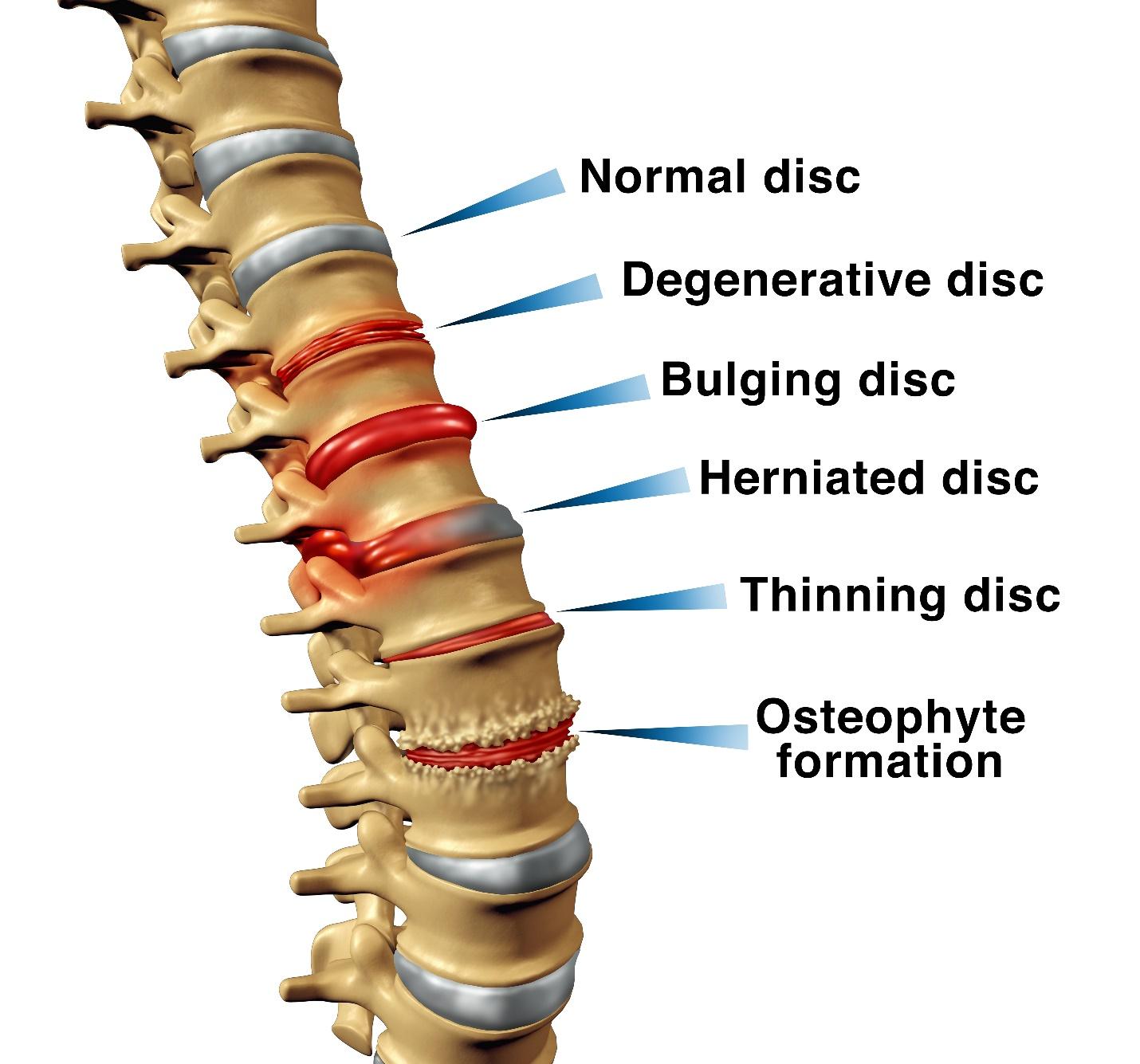
A wide range of conditions can contribute to discomfort in the lower back. Some of the more common causes include:
- Lumbar disc degeneration – over time, spinal discs naturally lose water content, reducing their cushioning ability. This can create localised aching and general stiffness, especially during activity.
- Disc bulge or herniation – when a disc protrudes or ruptures, it may press on nearby nerves. This can result in pain radiating into the legs, difficulty bending and discomfort during prolonged sitting.
- Facet joint irritation – these small stabilising joints at the back of the spine can become inflamed because of repetitive twisting or general wear. Pain is often felt when bending backwards or rotating the spine.
- Muscle strain or ligament sprain – sudden lifting, awkward movement or repetitive stress can overstretch soft tissues. This may cause sharp pain initially, followed by persistent tightness or spasms.
- Spinal stenosis – the narrowing of the spinal canal can place pressure on the nerves. Individuals may notice heaviness or fatigue in their legs when walking, which eases with rest.
- Sacroiliac (SI) joint dysfunction – irritation of the joint that links the spine and pelvis can create deep, aching pain on one side of the lower back or buttock, sometimes worsening when going from sitting to standing.
What are the symptoms of Lower Back Pain?
Lower back pain can manifest in various ways, depending on the structure involved. This can include:
- Localised aching, stiffness or tightness
- Pain that increases with bending, lifting or prolonged standing
- Difficulty straightening the back after sitting
- Sharp or shooting pain that travels into the leg or foot
- Muscle spasms that reduce mobility
- Reduced ability to twist or bend comfortably
- Numbness or tingling when nerves are affected
Who is at risk of Lower Back Pain?
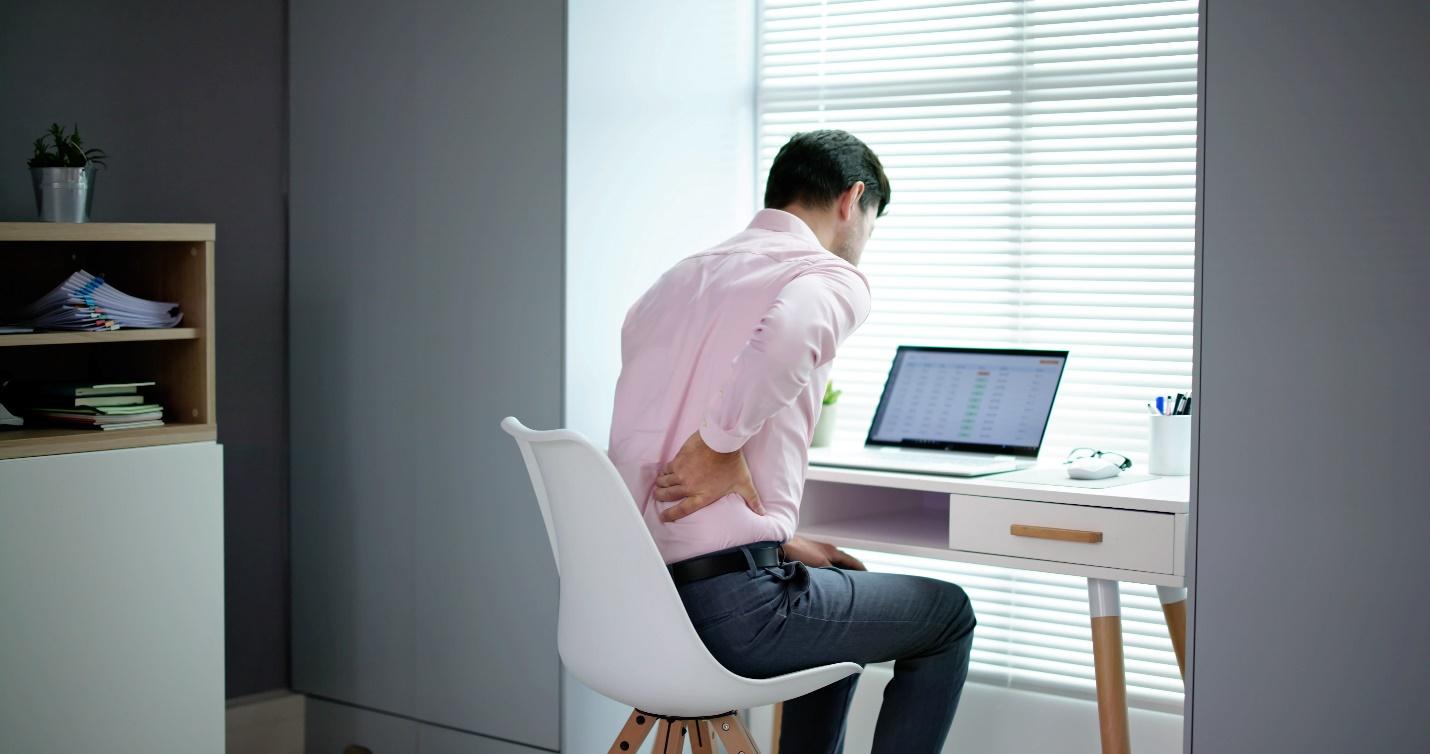
While lower back pain can occur in anyone, certain patterns of movement or lifestyle habits increase susceptibility. You are more likely to develop lower back pain if:
- Age-related spinal changes – as the spine matures, discs naturally lose flexibility and the joints may stiffen. This makes the back more prone to aches during everyday tasks.
- Active lifestyle – regular sporting activity, heavy gym routines or repetitive motions may place strain on the spine’s joints, muscles and discs. High-impact sports can also increase wear on the lower back.
- Sedentary lifestyle – long periods of sitting weaken core muscles and place additional load on the lumbar region. Poor office ergonomics contribute further to stiffness and strain.
- Poor posture or lifting technique – incorrect bending, twisting or lifting can stress the spine and soft tissues, increasing the risk of injury.
- Previous back injury – individuals who have experienced earlier episodes may be more likely to develop recurrent symptoms due to localised weakness or altered movement patterns.
- Occupational demands – jobs that involve repetitive lifting, constant bending, extended standing or manual labour can place ongoing stress on the lower back.
How is Lower Back Pain diagnosed in Singapore?
Effective treatment begins with understanding the exact source of discomfort. Our anaesthesiologist will assess how the pain behaves and identify which structures are likely involved.
The diagnostic process usually begins with:
- Detailed medical history – this includes when the pain began, what activities worsen it and whether symptoms travel into the legs. These clues help differentiate between muscle, joint or nerve-related problems.
- Physical and functional examination – the assessment examines how the spine moves, checks for muscle tightness, evaluates nerve function and identifies positions that reproduce or reduce pain.
- Imaging when appropriate – X-rays help assess the bones and alignment of the spine, while magnetic resonance imaging (MRI) scans give detailed information about discs, nerves and soft tissues. Imaging is recommended when symptoms persist, when nerve compression is suspected or when planning targeted treatment.
- Diagnostic injections – in selected cases, numbing medication is injected into a specific structure. If symptoms improve, it confirms the source of pain and guides further management.
How is Lower Back Pain treated in Singapore?
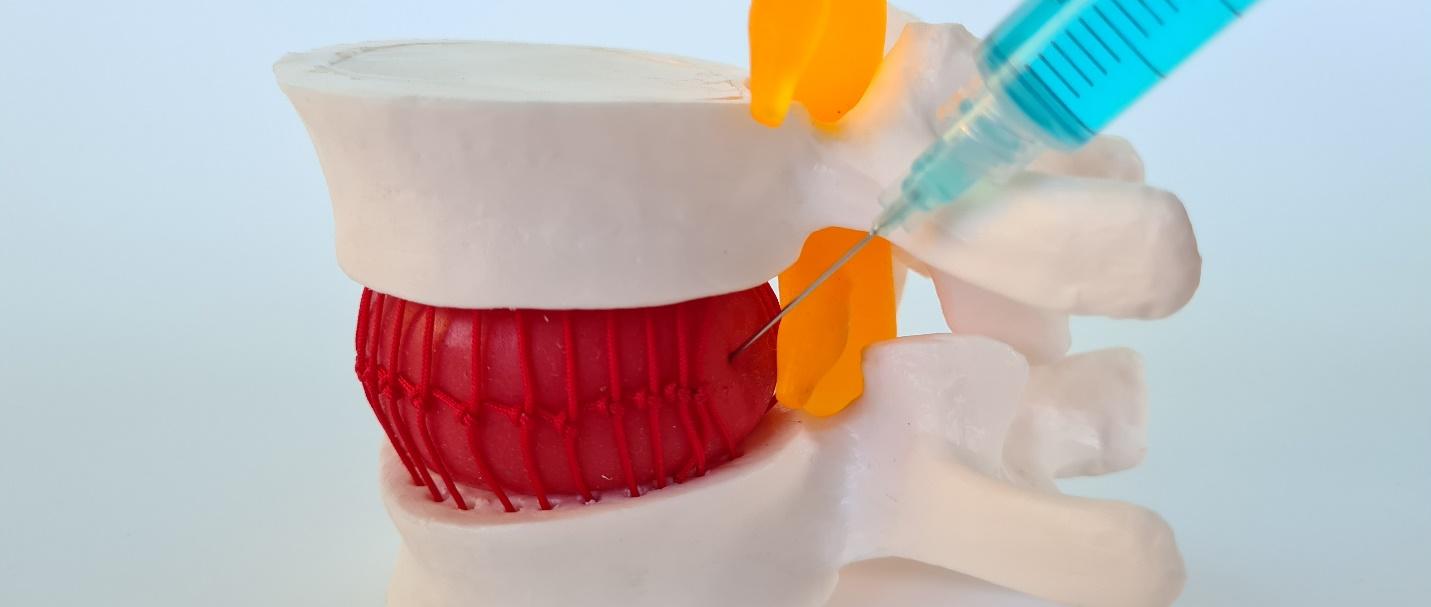
Many people improve without surgery through a combination of targeted injections, minimally invasive techniques and regenerative therapies. Our anaesthesiologist offers a range of evidence-based treatments designed to relieve pain, reduce inflammation and improve mobility, including:
Pain injections
These injections deliver medication directly to inflamed or irritated tissues around the spine. They can ease pain arising from joints, soft tissues or nerve structures when medication and physiotherapy alone are not enough.
- Epidural steroid injections – this procedure places anti-inflammatory medication around the spinal nerves. It is particularly useful for nerve-related pain such as sciatica, leg heaviness or numbness caused by disc prolapse or spinal stenosis.
- Facet joint injections – medication is injected into the small joints at the back of the spine to reduce inflammation. This is commonly used for movement-related pain that worsens with extension or rotation.
- Trigger point injections – these injections release tight, overactive muscles that contribute to spasms or restricted movement. They are helpful when muscle tension is a significant part of the pain picture.
- Ultrasound-guided (USG) injections – ultrasound guidance ensures accurate needle placement, allowing medication to reach the intended structure safely and precisely. This improves treatment effectiveness and minimises tissue disruption.
Minimally invasive pain procedures
These techniques aim to provide longer-lasting relief by directly addressing irritated nerves or reducing pain signals at their source.
- Radiofrequency Ablation (RFA) / Pulsed Radiofrequency – RFA uses controlled heat and pulsed RF uses gentle electrical stimulation to reduce pain signals from affected nerves. This option is considered when pain repeatedly returns after facet joint irritation or nerve-related discomfort.
- Neuromodulation (Spinal Cord Stimulation) – a small device delivers mild electrical impulses to the spinal cord to modify how pain signals are perceived. This modern technique is reserved for individuals with severe chronic lower back pain that does not respond to conventional treatment.
Regenerative therapies
These treatments encourage natural healing and may help restore function in damaged or weakened tissues.
- Platelet-Rich Plasma (PRP) Injection Therapy – PRP uses your own platelets to stimulate tissue repair. It may benefit persistent disc-related discomfort, ligament strain or chronic soft tissue injury.
- Prolotherapy – a mild solution is injected to encourage natural strengthening of ligaments and connective tissues. This can support stability in the lower back when laxity or repeated strain contributes to symptoms.
Looking ahead with Lower Back Pain management
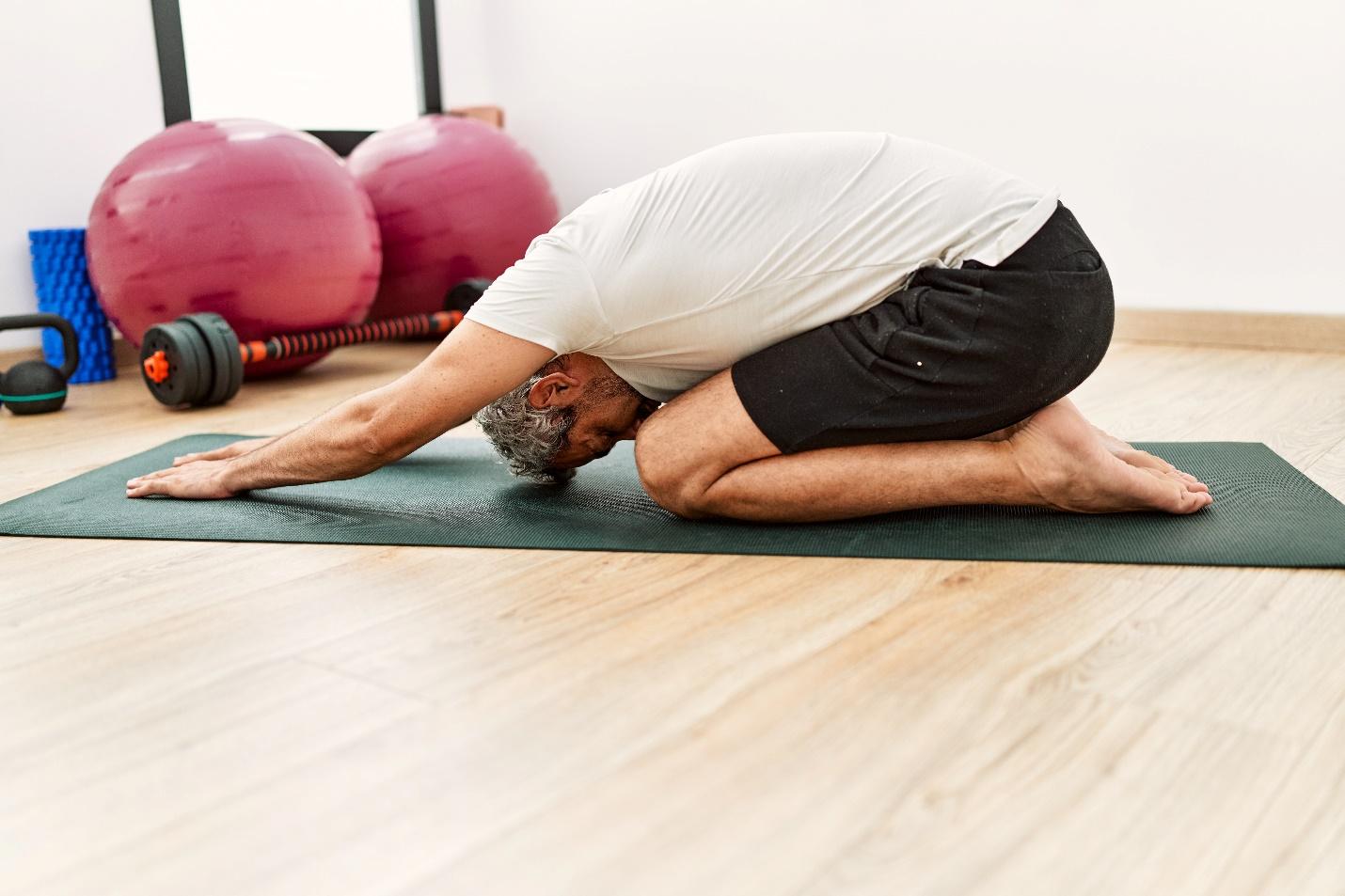
Living with lower back pain can affect movement, comfort and confidence, but early evaluation can make a significant difference in recovery. With precise diagnosis, targeted treatment and supportive care, you can regain mobility and return to daily activities with greater ease.
If you have been experiencing lower back pain, then do schedule an appointment with us today. Our anaesthesiologist provides personalised, minimally invasive options to help you move forward with lasting relief.
Frequently asked questions
Recurring pain is often due to unresolved joint inflammation, weak supporting muscles, disc degeneration or irritated nerves. Targeted treatment helps reduce flare-ups.
See a specialist if the pain lasts more than two weeks, interferes with daily activity, causes leg numbness or occurs after a significant injury.
Yes, especially for nerve compression or sciatica. They reduce inflammation around irritated nerves and can provide lasting relief.
Symptoms such as shooting leg pain, numbness, tingling or weakness suggest nerve involvement. Assessment and imaging help confirm the diagnosis.
No. Most patients improve with non-surgical treatments such as injections, radiofrequency procedures or regenerative therapies.
Recovery is usually quick. Most individuals return to normal activities within a day or two, depending on the treatment performed.
 Total Pain Specialist