
- Home
- Various Chronic Pain Conditions
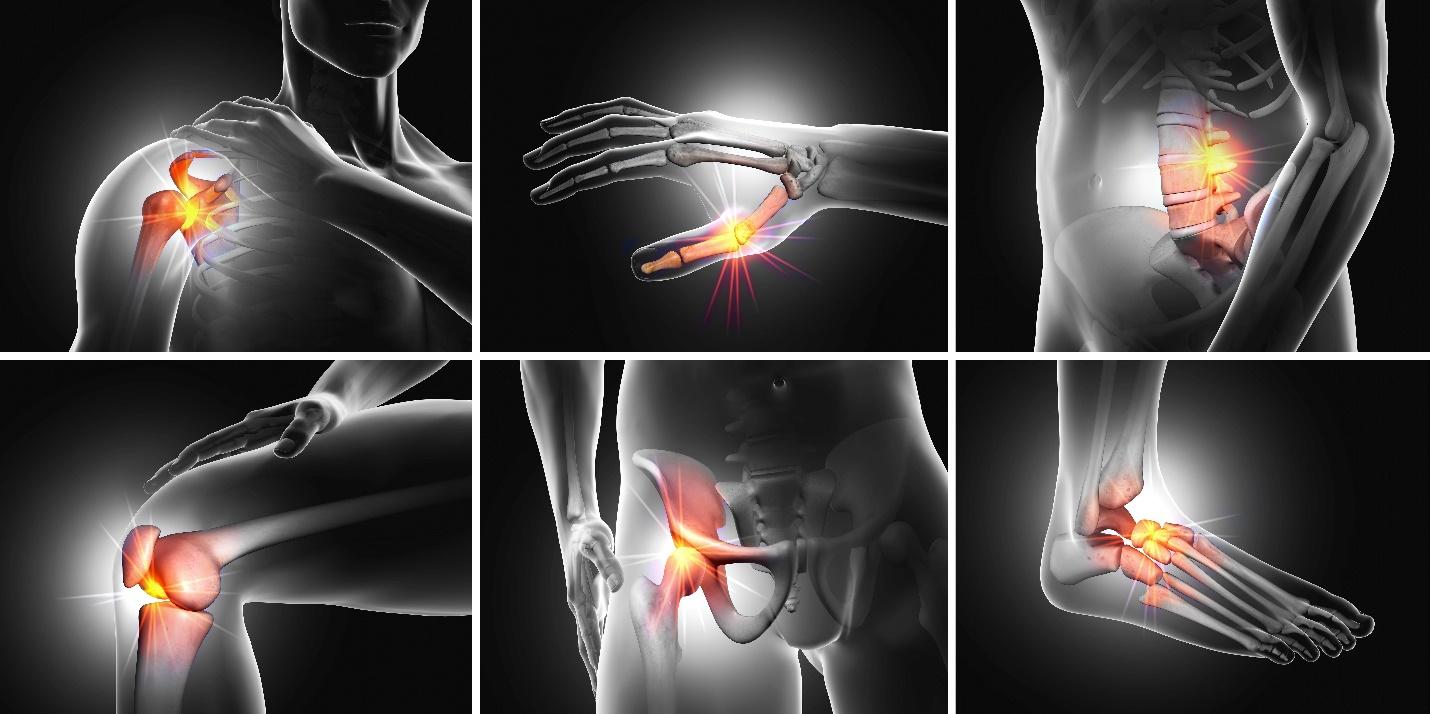
Chronic pain is far more common than many people realise. It can affect people of all ages, from working adults with long hours at a desk to older individuals experiencing natural wear and tear. For some, the discomfort starts after an injury that never fully healed. For others, it gradually builds over months of strain, stress or repeated movements.
Because chronic pain often develops slowly and can come and go, many people live with it for years before seeking help. But early assessment matters. Identifying the underlying cause allows for targeted treatment, prevents pain from worsening, and helps individuals return to their normal routines with confidence.
What are Various Chronic Pain Conditions?
Chronic pain conditions refer to any long-lasting pain that persists for three months or longer, regardless of its origin. Unlike short-term injuries, chronic pain does not always improve on its own. Instead, it may involve multiple structures, such as the muscles, joints, nerves or spine.
These conditions differ widely in intensity and location, but they share one common challenge: they interfere with daily activity, sleep, mood and quality of life.
What are the types of Chronic Pain Conditions?
The conditions come in many forms and may involve one or several regions simultaneously. The major categories include:
CAUSES | AFFECTED AREA | EXAMPLES |
Musculoskeletal pain | It affects muscles, tendons, ligaments and joints. |
|
Nerve-related (neuropathic) pain | It occurs when nerves become irritated, compressed or damaged. |
|
Spine-related pain | It originates from the cervical, thoracic or lumbar spine. |
|
Chronic joint pain | It is caused by inflammation or age-related degeneration of major joints. |
|
Widespread pain syndromes | It involves multiple areas simultaneously. |
|
What causes Chronic Pain Conditions?
Chronic pain rarely stems from a single issue. Instead, it often develops through a combination of mechanical strain, tissue degeneration, inflammation and nerve sensitisation. Eventually, small problems that go unaddressed can progress into persistent discomfort, especially when the surrounding muscles or joints begin compensating. Because each person’s daily habits, work demands and health background differ, the causes can vary widely, even when symptoms appear similar.
Some of the common contributors are:
- Degenerative changes – wear and tear of joints, discs or cartilage can occur naturally with age or repeated use. As cushioning structures lose their flexibility, movement may irritate surrounding tissues and trigger long-standing discomfort.
- Persistent inflammation – tendons, joints or soft tissues that remain inflamed, whether from autoimmune conditions, repetitive strain or micro-tears, can develop ongoing sensitisation and swelling that does not resolve on its own.
- Nerve irritation or compression – bulging discs, spinal narrowing, diabetic nerve damage or residual inflammation from shingles may compress or irritate nerves, resulting in burning, tingling or persistent radiating pain.
- Structural abnormalities – issues such as joint malalignment, scoliosis, disc bulges or spinal stenosis can continually overload certain areas, leading to mechanical and nerve-related pain that becomes chronic.
- Muscle imbalance, tension or poor posture – weak or overworked muscles can pull joints out of alignment and create long-term strain. Prolonged sitting, poor ergonomics or repetitive movements may also overstress specific muscle groups, causing chronic tightness.
- Previous injuries or trauma – a fracture, sprain, ligament tear or sudden strain may heal incompletely or leave residual instability. These lingering effects often place extra pressure on muscles or nerves, leading to chronic pain months or years later.
What are the symptoms of Chronic Pain Conditions?
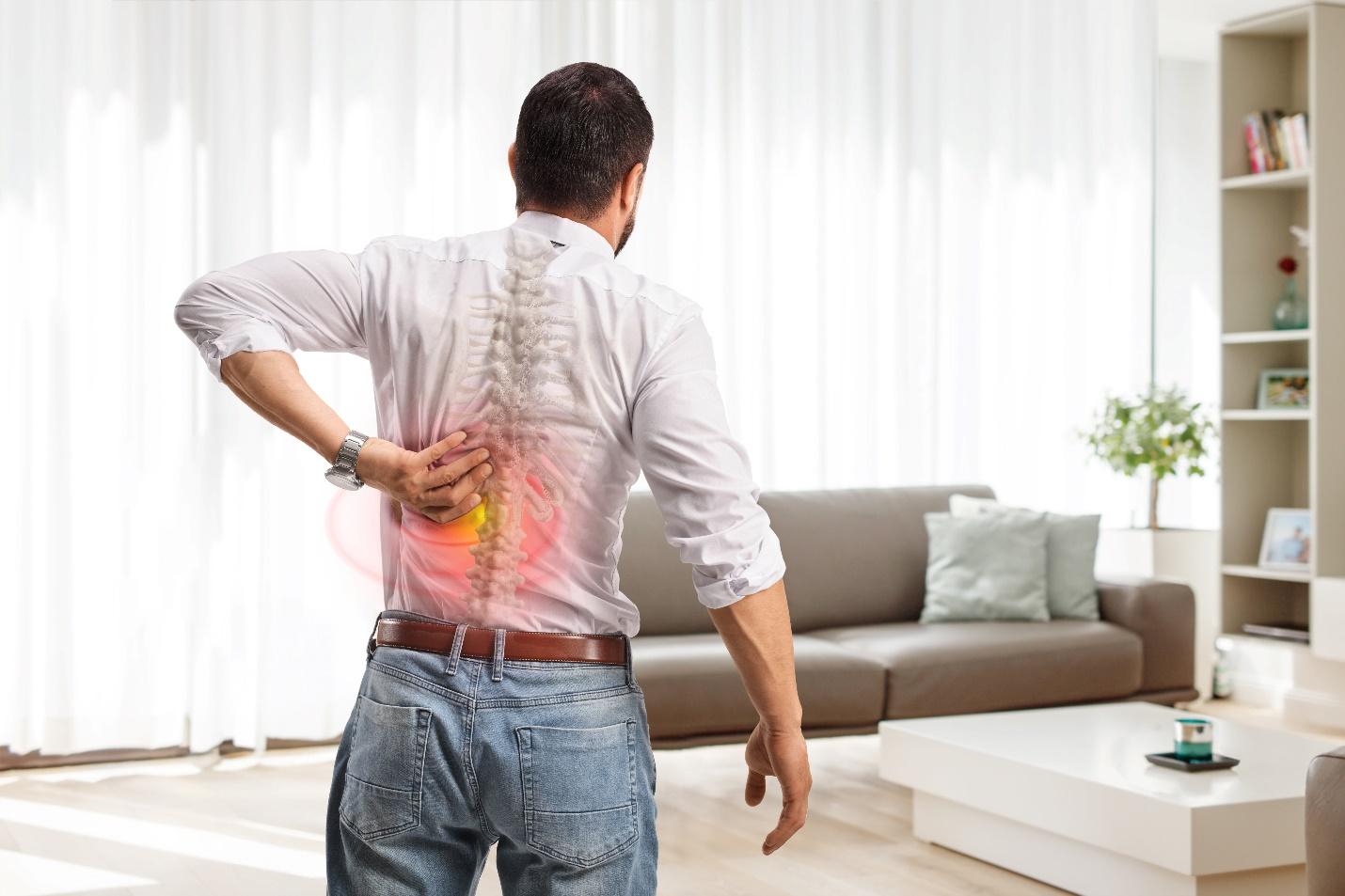
Although symptoms vary, patients commonly report:
- Fatigue caused by muscular tension
- Numbness, tingling or burning sensations
- Pain radiating into the arms, legs, neck or back
- Discomfort that worsens with specific movements or positions
- Stiffness or limited range of motion
- Ongoing pain that lingers for months
- Difficulty performing daily tasks or exercising
Who is at risk of Chronic Pain Conditions?
Certain individuals are more likely to develop long-standing pain, especially when multiple risk factors overlap. You may be at higher risk if you fall into any of the following groups:
- Age – age-related wear on discs, cartilage and ligaments can contribute to persistent joint or spine discomfort.
- Medical conditions – inflammatory arthritis increases joint pain, while diabetes may predispose individuals to nerve irritation or neuropathy.
- Repetitive or static postures – long hours spent sitting, standing or performing repetitive tasks may strain muscles and joints over time.
- Previous injuries – old sprains, fractures or muscle tears may weaken supporting structures, increasing the likelihood of recurring pain.
- Athletes – repetitive training, impact sports or overuse injuries may lead to ongoing tendon, muscle or joint problems.
- Sedentary lifestyles – weak supporting muscles can strain joints, causing aches that gradually become chronic.
- High stress or poor sleep quality – stress tightens the muscles, while disrupted sleep prevents proper tissue recovery, making it harder for the body to heal.
What are the complications associated with Chronic Pain Conditions?

The condition does not simply affect the area that hurts. It can gradually change the way the body moves, functions and copes with stress. Without proper treatment, pain can spread, worsen or trigger new issues as surrounding muscles and joints compensate for the discomfort. This can significantly affect the quality of life and daily performance.
Some of the possible complications include:
- Persistent stiffness or reduced flexibility
- Muscle weakness due to reduced activity
- Difficulty carrying out work or household tasks
- Higher risk of falls or re-injury due to poor mobility
- Long-term avoidance of physical activity, leading to deconditioning
- Increased reliance on pain medication
- Sleep disturbance and daytime fatigue
- Emotional strain, frustration or low mood
How are Chronic Pain Conditions diagnosed in Singapore?
Since chronic pain shares overlapping symptoms with many conditions, it is important to identify the exact source of pain. Our anaesthesiologist-trained pain specialist uses a careful, step-by-step evaluation to determine what is driving the pain and how extensive the underlying problem may be.
- Clinical evaluation – a structured assessment forms the foundation of the diagnosis. Instead of focusing only on the area that hurts, our anaesthesiologist will evaluate multiple systems to understand how the body is functioning as a whole. During this assessment, he will:
- Observe mobility and joint mechanics
- Assess muscle strength, flexibility and balance
- Check for nerve-related signs such as altered sensation or reflex changes
- Identify trigger points, tender areas or stiffness patterns
- Evaluate posture or movement habits that may worsen symptoms
- Ultrasound imaging – this is often the first imaging tool used because it provides dynamic, real-time visualisation of soft tissues. It helps detect:
- Bursitis or soft tissue inflammation
- Ligament strain
- Muscle abnormalities
- Tendon irritation or small tears
- Magnetic resonance imaging (MRI) – when symptoms are persistent, complex or do not match physical findings, an MRI may be recommended. This technique allows doctors to examine deeper structures, including:
- Disc bulges or nerve compression
- Joint degeneration or cartilage damage
- Inflammatory changes within muscles or ligaments
- Hidden injuries that are not visible on X-ray or ultrasound
- X-ray – although this cannot visualise nerves or soft tissue, it plays an important role in evaluating bone and joint changes. It can also be used to detect early or advanced degenerative changes, calcifications associated with chronic inflammation or abnormal alignment or old injuries.
How are Chronic Pain Conditions treated in Singapore?


The treatment for chronic pain conditions mainly focuses on identifying whether the primary driver lies in nerve irritation, joint inflammation, soft tissue dysfunction or spine-related pressure. Afterwards, our anaesthesiologist will outline a plan with the goal to ease pain, improve mobility and help patients return to normal activity with confidence.
This typically involves:
Pain injections
These deliver medication directly to the affected area as they help break the cycle of pain and allow the body to move more naturally.
- Epidural steroid injections – ideal for nerve-related chronic pain, particularly conditions involving spinal stenosis, disc bulges or nerve compression in the neck or lower back. These injections help calm inflammation around the spinal nerves and improve radiating pain.
- Trigger point injections – suited for myofascial pain, muscle knots and chronic tightness in the neck, shoulders, back or hips. These injections help release overactive muscles and reduce referred pain.
- Ultrasound-guided (USG) injections – real-time imaging allows precise delivery of medication into muscles, joints, bursae or nerve-adjacent tissues. This accuracy enhances effectiveness and reduces procedural discomfort.
- Facet joint injections – helpful for chronic back or neck pain that originates from the facet joints. These injections reduce irritation within the small stabilising joints of the spine.
Minimally invasive pain procedures
These techniques are recommended when chronic pain persists despite medications, therapy or activity modification.
- Disc decompression (Nucleoplasty / Annuloplasty / Biacuplasty) – these methods reduce pressure within problematic spinal discs, easing nerve compression and radiating pain from disc-related conditions.
- Radiofrequency ablation (RFA) / Pulsed radiofrequency modulation – these procedures interrupt pain signals from specific nerves in the spine, joints or soft tissues. RFA uses heat, while pulsed RF uses controlled electrical pulses for patients who may not tolerate thermal treatment. Both options can offer significant, sustained relief.
- Neuromodulation (Spinal cord stimulation) – ideal for severe, long-standing pain that has not responded to conservative care. A small, implanted device delivers gentle electrical impulses to the spinal cord, altering pain perception and improving quality of life.
- Intrathecal drug therapy – used for selecting cases of severe, refractory pain. Medication is delivered directly into the spinal fluid via a small, implanted pump, allowing effective pain control with lower doses.
Regenerative therapies
Regenerative treatments promote natural healing and reduce chronic inflammation by supporting tissue repair.
- Platelet-Rich Plasma (PRP) therapy – PRP uses platelets derived from the patient’s own blood to stimulate tissue repair within tendons, ligaments or degenerated soft tissues. It is useful for long-standing tendon injuries, chronic strain and musculoskeletal pain.
- Prolotherapy – a mild irritant solution is injected into weakened ligaments or soft tissues to encourage new tissue growth. It may help patients with chronic instability, recurrent strain or persistent soft-tissue pain.
Specialised pain management
Beyond procedures, targeted pain strategies help patients manage symptoms, improve function and prevent worsening of chronic pain.
- Cancer pain management – focuses on easing pain related to tumour pressure, nerve involvement or cancer treatments, using a structured, evidence-based approach.
- Headaches and migraine management – tailored plans address chronic migraine triggers, nerve sensitivity and associated muscular tension.
- Sports injury pain management – supports active individuals recovering from chronic tendon irritation, overuse injuries or old sports-related issues that never fully healed.
Regaining comfort, one step at a time
Chronic pain can feel overwhelming, especially when it interferes with movement, sleep and daily routines. But relief is possible with the right approach. By pinpointing the true source of discomfort and offering targeted treatments, from precision-guided injections to minimally invasive procedures and regenerative therapies, our anaesthesiologist-trained pain specialist helps patients take control of their symptoms and rebuild quality of life.
With early intervention and a structured treatment plan, many individuals experience meaningful, lasting improvement and regain the confidence to live without persistent pain holding them back.
Do contact us today to schedule an appointment to alleviate your pain and improve your quality of life.
Frequently asked questions
Chronic pain often stems from long-term inflammation, nerve irritation or degenerative changes in the spine, joints or soft tissues. Ageing, repetitive strain and untreated injuries are some of the most frequent contributors.
Yes. Ongoing pain can cause nerve pathways to become hypersensitive, making discomfort harder to manage over time. However, early diagnosis and treatment help prevent the progression to long-standing, persistent pain.
Pain that persists for more than 3 months, even after the original injury has healed, is classified as chronic. It may come and go or remain constant.
Ageing increases the risk due to natural wear and tear of joints, discs and soft tissues, but chronic pain can affect younger adults as well, especially those with repetitive strain, sports injuries or poor posture.
You should seek a pain specialist if your discomfort persists beyond a few weeks, disrupts daily activities, affects sleep or returns repeatedly despite medication, rest or physiotherapy.
Some chronic pain conditions can improve significantly or resolve with proper treatment, while others may require long-term management. Targeted therapies often reduce the intensity and frequency of symptoms.
Yes. Options like radiofrequency ablation, disc decompression and neuromodulation are performed with precision and are designed to reduce pain with minimal downtime. They are typically considered when conservative methods are not enough.
Absolutely. Improving posture, building core strength, managing weight and reducing repetitive strain can significantly ease symptoms and prevent flare-ups.
 Total Pain Specialist